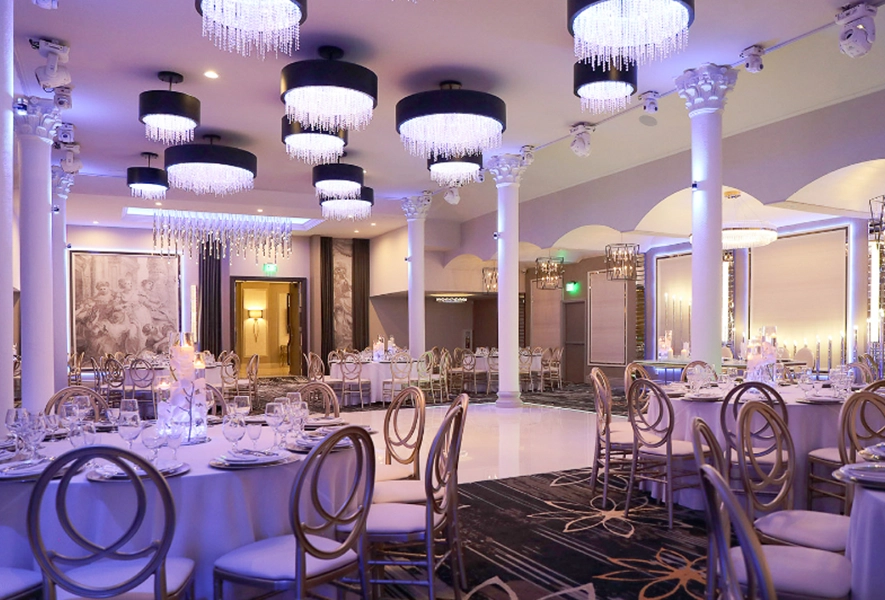
The venue you choose shapes almost everything about your wedding day: your timeline, your budget, your design, your guest experience, and even your vendor list. This is why couples spend so much time searching for the right questions to ask a wedding venue before making a final decision. These aren’t just conversation starters. They help you understand how each venue operates, what they include, how they support you, and how well they match the celebration you’re trying to create.
Indoor venues, especially those built to host large receptions like Étage, have systems in place that influence how your entire night unfolds. When you ask well-structured and detailed questions, you’re not only comparing prices; you’re learning how the space functions behind the scenes. Each answer tells you something about the venue’s process, professionalism, timing, and ability to handle a once-in-a-lifetime event.
Below are 12 deeply explained questions that give you real insight, not generic checklists, but meaningful, practical guidance rooted in how indoor venues actually operate.

Why These Questions Matter Before You Fall in Love with a Space
Beautiful photos can make any room look perfect. But photos don’t show how long staff takes to reset a room, how clearly the timeline runs, or how fees stack up. That’s why thoughtful questions to ask a wedding venue matter so much. They shift the conversation from “Is this room pretty?” to “Can this venue actually deliver the experience we want?”
Think of this as your behind-the-scenes guide. With each question, you’re asking the venue to show you not just what they sell, but how they work.
1. What Dates Are Available Near Our Preferred Timeframe?
This question may seem simple, but it has deep impact. Your wedding date dictates vendor availability, pricing, planning flow, and even travel arrangements for guests. Asking this at the start of your tour sets a clear foundation. When exploring questions to ask wedding venue coordinators, availability is your anchor. Many couples fall in love with a venue only to learn later that their preferred date is taken. Getting clarity early protects you from emotional and logistical challenges.
2. What Is the True Guest Capacity, and How Does It Change with Different Floor Plans?
Capacity isn’t just a number written on paper. The room’s layout changes depending on:
- Table shape
- Dance floor location
- Buffet vs. plated dinner
- Stage or DJ booth size
- Décor density
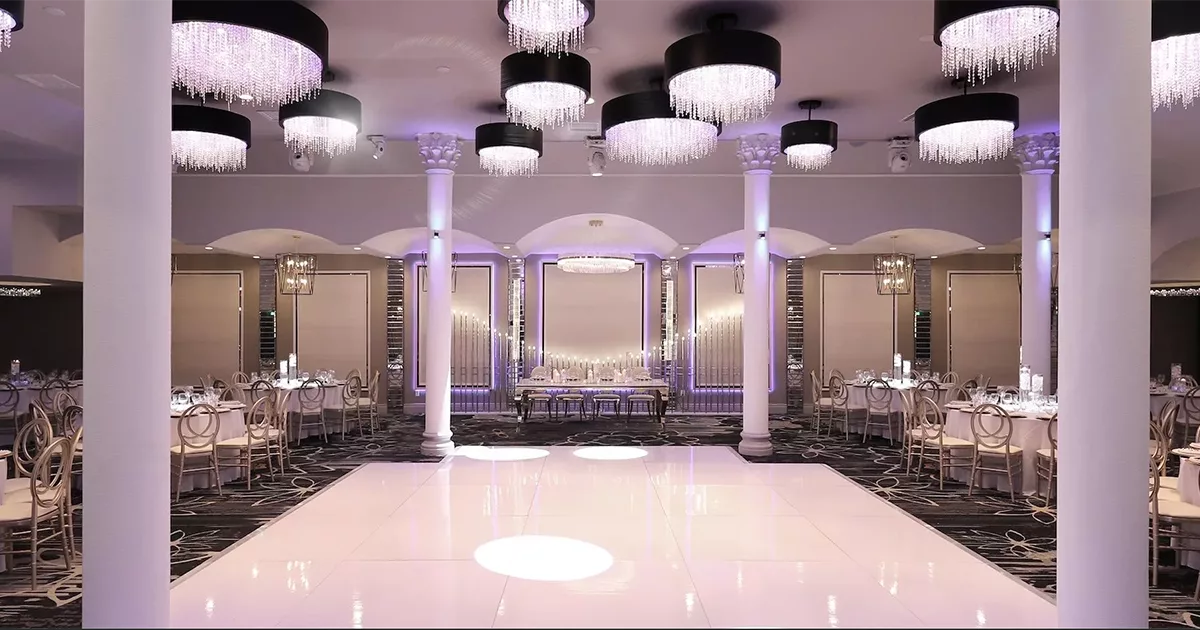
This is one of the most important wedding venue questions because you need to understand how the room feels, not just how many bodies can fit inside it. A venue with a higher capacity isn’t always the better choice; what matters is how comfortably your guests can move, socialize, and enjoy the space.
Ask to see multiple layouts. Ask the venue to show real examples from past events. A venue that knows its room well will easily explain how different setups influence flow.
3. What Exactly Is Included in the Venue Package?
Every couple needs clarity here. Some venues offer the room only, while others provide:
- Catering
- Bar service
- Tables, chairs, and linen
- Lighting and production
- Event manager
- Servers and bartenders
- Setup and teardown
This is where many couples misunderstand pricing. When reviewing questions to ask a wedding venue, this one reveals the venue’s true value. A venue with a higher upfront cost may actually be more affordable if it includes services you’d otherwise pay multiple vendors for. Indoor venues like Étage typically package the elements that make your wedding feel complete, so ask to see a detailed list of everything included.
4. What Are the Menu Options, and How Can They Be Customized?
Food shapes your reception experience more than almost anything else. Guests remember great meals, thoughtful service, and smooth timing. Ask the venue:
- How the kitchen handles dietary restrictions
- Whether the menu is customizable
- How many courses are included
- If tastings are offered
- How food is timed during the event
This is one of the most practical questions to ask a wedding venue because catering affects both cost and guest experience. A venue with an on-site kitchen provides consistent quality and avoids common issues like delayed service or cold entrees.
5. How Does the Venue Handle Lighting, Sound, and Technical Setup?
Lighting and sound shape the mood of your entire reception. They influence how your photos turn out, how guests hear speeches, and how the dance floor feels. When thinking about what questions to ask a wedding venue, this one reveals the technical backbone of your event.
Ask specifically:
- What lighting effects are available
- How the room lighting changes throughout the night
- Whether the sound system is built in
- If microphones and speakers are included
- If the DJ or band must bring extra equipment
A well-equipped indoor venue will explain its lighting system clearly, and you’ll notice how confident the team is about the technical flow of events.
6. Who Manages the Event on the Day Of, and How Involved Are They?
Your venue’s day-of team directly affects how smooth your wedding feels. Ask the venue:
- Who oversees the timeline
- How they coordinate with vendors
- Who handles guest questions
- Who resolves unexpected issues
This is one of the key questions to ask a wedding venue before booking because a strong event manager is worth more than any décor piece. Some venues provide a coordinator who stays throughout the night. Others assign staff only during setup. Understand how your venue supports you so you don’t end up managing the event yourself.

7. How Flexible Is the Floor Plan? Can We Personalize the Layout?
Your floor plan determines how guests interact, how photographers move, how comfortable the space feels, and how energy flows throughout the night. This is a major questions to ask a wedding venue because the layout affects more than aesthetics, it shapes the entire guest experience.
Ask the venue:
- How many layout options they have
- Where the dance floor usually goes
- How tables can be arranged
- What works best for your guest count
Indoor venues with experience should quickly identify strong layouts and explain why certain configurations work better than others.
8. What Additional Fees Should We Expect Beyond the Base Package?
Every couple wants clear pricing, but the reality is that many venues structure their packages differently. Some include everything upfront. Others break costs into smaller line items that only appear once you’re deeper in the booking process. This is why understanding additional fees is one of the smartest questions to ask a wedding venue; it helps you see the full financial picture instead of relying on a single number.
Indoor venues often run complex setups that involve staff, timing, equipment, and building rules. Because of that, certain costs may sit outside the base package. Common examples include:
- Bar upgrades or premium alcohol selections
- Overtime fees if the event runs later than scheduled
- Security required for larger guest counts
- Extra cleaning for high-traffic events
- Early vendor access or extended load-in hours
- Holiday, weekend, or peak-season rates
- Optional add-ons such as dessert displays, late-night bites, or specialty lighting
These charges aren’t meant to be hidden. they simply depend on your event’s format, timing, and personal choices. But you need to ask for a clear, itemized breakdown so you know where every dollar goes. A transparent venue will walk you through a sample invoice, explain why each fee exists, and show you how your decisions influence final pricing.
This single conversation can save you from unexpected surprises and helps you compare venues fairly. It’s one of the most essential questions to ask a wedding venue before booking because it reveals the true total you’re committing to, not just the entry price.
9. How Early Can We and Our Vendors Arrive for Setup?
Setup timing is one of the most overlooked parts of wedding planning, yet it directly affects the smoothness of your entire day. Every vendor: your florist, DJ, photo team, décor installers needs enough time to do their work without feeling rushed. If access to the room is too tight or poorly coordinated, small delays can stack up and impact the entire schedule, from when photos begin to when guests are allowed to enter the space.
Indoor venues operate on structured timelines because they often host multiple events each week. This means setup hours are planned carefully around staffing, cleaning, and room readiness. Asking how early vendors can arrive isn’t just a logistical question: it tells you how the venue manages its operations behind the scenes.
A strong venue will explain:
- When the ballroom is guaranteed to be ready
- How vendor load-in works
- Whether certain teams can arrive earlier than others
- How they prevent overlap or congestion
- How long décor teams typically need for events like yours
This is one of the most practical questions to ask a wedding venue because setup time shapes your photography schedule, décor quality, and the overall pace of the day. When vendors have the right amount of time, the entire event feels more polished, more organized, and more enjoyable for everyone involved.
10. Are There Any Décor or Vendor Restrictions We Should Know About?
Every venue has guidelines. Indoor spaces protect their flooring, walls, lighting systems, and architectural design. Some venues limit:
- Open flames
- Confetti
- Hanging décor
- Outside catering
- Early vendor arrival
Asking this shows you’re thinking ahead. It also protects you from planning décor that isn’t allowed.

11. How Does Parking Work for Guests and Vendors?
Guest experience begins long before they walk into the ballroom, it starts the moment they arrive. If parking is unclear, crowded, or far from the entrance, it can create stress and slow down the flow of your event. That’s why parking should always be part of your wedding venue questions, especially for an indoor venue where arrival paths and loading areas are carefully structured.
Ask the venue to explain:
- Valet availability and how it operates
- Self-parking options and distance to the entrance
- Accessible parking for elderly guests or those with mobility needs
- Vendor loading zones and how easily vendors can unload equipment
Understanding these details helps you prepare accurate directions for guests, avoid delays, and ensure vendors arrive on time. Smooth parking sets the tone for the entire evening and makes your celebration feel organized from the very first moment.
12. What Is the Payment Schedule, and How Do Changes or Cancellations Work?
This is a business agreement, and you need clarity. Ask about:
- Payment installments
- Deadlines
- Refund terms
- What happens if your guest count changes
Clear financial expectations allow you to plan confidently and avoid misunderstandings.
Choosing a Venue Begins with the Right Questions
Asking the right questions to a wedding venue isn’t just about gathering information, it’s about discovering which spaces are truly built to support your celebration. Each answer reveals something important: how the team operates, how the room handles real events, and how confidently the venue can guide you from planning to the final dance. When you ask thoughtful questions, you quickly see the difference between a space that simply hosts events and a venue that knows how to bring a wedding to life.
Étage stands out because it is intentionally designed for receptions. The ballroom layout, lighting, catering, event flow, and staffing model all work together to support large celebrations with clarity and structure. Couples who value organization, beauty, and a guided experience often find that Étage feels less like a rental and more like a team that understands exactly how weddings unfold inside an indoor venue.
If you want to explore realistic layouts, understand package details, or check availability, book a tour at Étage and experience the space in person. Seeing the room, meeting the team, and walking through your options is the best way to visualize how your celebration can come to life here.
Frequently Asked Questions
Should we tour a venue before requesting a full proposal?
Yes. Touring first helps you understand the room size, lighting, entry flow, and overall feel before reviewing numbers. Proposals make far more sense once you’ve seen how the space functions in real life. Many couples revise their guest count or layout ideas after the tour, so getting the walkthrough done early gives you a more accurate proposal later.
How far in advance should we begin looking at venues?
Most couples start 12–18 months before their wedding, especially for peak months like spring and fall. Indoor venues with strong reputations book quickly, so starting early gives you better options for dates, layouts, and vendor scheduling. If you’re planning in a shorter window, touring mid-week dates or off-season months can open more availability.
Do all indoor venues offer tastings for the menu?
Many do, especially venues with in-house kitchens. Tastings help you choose menu options confidently and allow the chef to understand your preferences.
How much freedom do we have to personalize our reception in an indoor space?
Most indoor venues allow a high level of personalization while still protecting the building and equipment. You can bring floral teams, décor elements, custom signage, and specialty rentals, as long as they’re safe for the space. Ask during the tour which items are allowed, and request examples of past events to see how other couples customized their layout or design.
Can indoor venues adjust lighting to match our theme or color palette?
Yes. Quality indoor venues offer adjustable lighting that can shift from soft and romantic during dinner to vibrant during dancing. Ask to see lighting demos during your tour. It helps you understand how the room changes throughout the night and gives you a clear picture of the atmosphere your guests will experience.