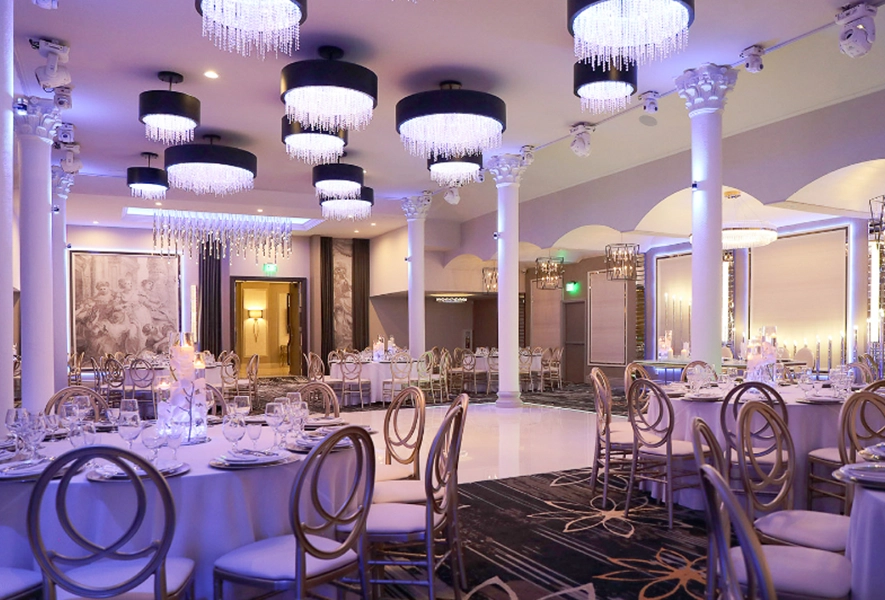
Planning a wedding is a rare moment in life where emotion and logistics collide. You’re making meaningful decisions about your future while juggling timelines, budgets, and choices you’ve never faced before. Many couples wonder early on how long does it take to plan a wedding, and while every couple’s timeline is unique, a 12-month structure offers both comfort and clarity. It gives you room to breathe, compare options thoughtfully, and build a celebration that feels intentional from start to finish.
This guide reflects the way weddings realistically come together inside an indoor venue and organizes that experience into a clear wedding planning checklist. Each section focuses on what matters most during that point in your timeline, blending explanation with structure. The result is a balanced, informative guide that supports you without overwhelming you.
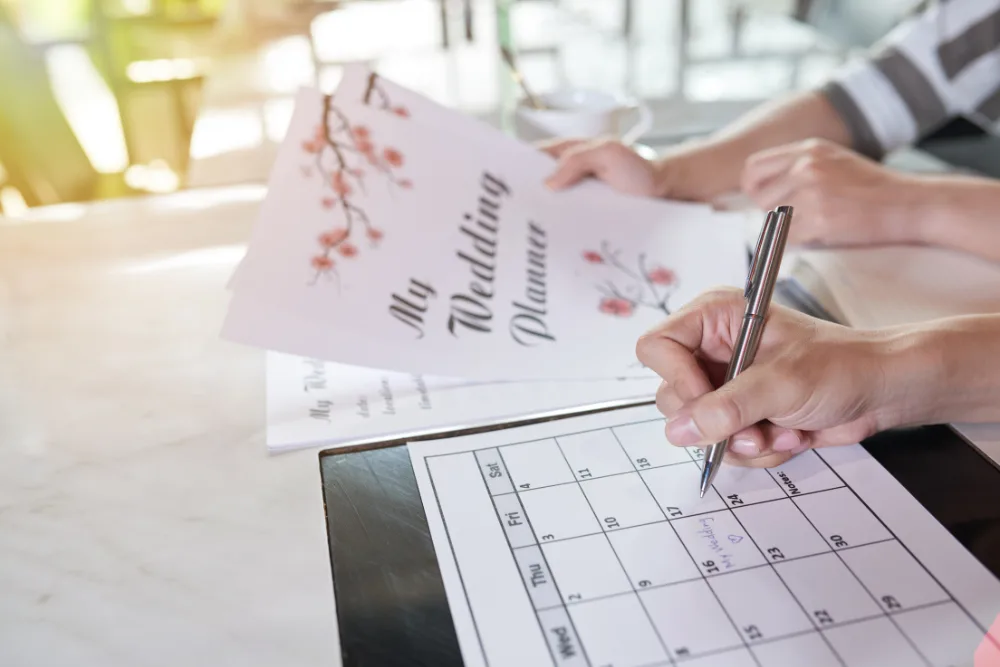
12 Months Before: Build Your Vision With Intention
Your first month is about direction, not decisions. Before selecting a venue or exploring décor, step back and talk honestly about the kind of experience you want to create. A wedding has atmosphere long before it has centerpieces. Do you imagine something classic and graceful? Something modern and high-energy? A black-tie celebration or a refined dinner-style reception?
These conversations become the foundation for your planning checklist for wedding success.
This early stage should give you three forms of clarity: an approximate guest count, a comfortable investment range, and a general sense of style. With these in place, venue research becomes grounded instead of overwhelming.
11 Months Before: Choose a Venue That Can Support Your Vision
Your venue is more than a location, it’s the ecosystem your entire wedding relies on. It shapes your date, your floor plan, your vendor choices, your catering structure, your lighting environment, and ultimately the guest experience.
When touring luxury indoor venues like Étage, pay attention not just to the room but to the flow. Imagine your guests entering the foyer, walking into the ballroom, hearing your music swell through professional sound. Notice how lighting, textures, and architecture work together.
Once you find a venue that aligns with your vision and practical needs, secure it. At this moment, your wedding planning checklist goes from abstract to real.
10 Months Before: Assemble Your Creative Team
This month shifts focus from the venue to the artists who will document, amplify, and interpret your celebration.
Your photographer and videographer shape how your memories will live for decades. Your DJ or band sets the emotional rhythm of the night. Your florist and designer help translate your atmosphere into something tangible.
At this stage, you’re not just hiring vendors: you’re curating chemistry. Review full galleries, watch full videos, and discuss how they work within indoor environments. Professionals who understand lighting, pacing, and space are invaluable in a ballroom setting.
This is one of the most strategic stages in any how to plan a wedding checklist, because these choices strongly impact the final experience.

9 Months Before: Elevate Your Personal Style
This month brings planning inward. It becomes about how you will exist inside the world you’re creating.
Shopping for attire: your dress, your suit, wedding party fashion, is not just about aesthetics. It’s about movement, lighting, comfort, and confidence. Indoor venues often feature warm lighting, reflective accents, and cinematic shadows. Certain fabrics glow in these conditions; others fall flat. Try your outfits with this environment in mind.
Hair and makeup trials also begin now, offering space to explore styles that feel authentic to you while harmonizing with your venue’s atmosphere.
8 Months Before: Shape the Atmosphere Through Design
If you’ve ever walked into a wedding and instantly felt something: elegance, warmth, romance, excitement, that wasn’t accidental. It was design.
This month is less about choosing individual décor pieces and more about developing a design language. Think in layers:
- How lighting should make the room feel
- Whether florals should be structural, delicate, or dramatic
- Which tones and textures complement your venue
- How tablescapes can anchor your visual story
Indoor venues shine here because lighting becomes one of your strongest tools for shaping emotion. A soft glow during dinner, a highlight on the sweetheart table, and a dramatic shift when the dance floor opens; these choices give shape to your event planning checklist in ways outdoor spaces simply can’t replicate.
7 Months Before: Begin Communicating With Your Guests
By this point, your plans are no longer just ideas, they’re beginning to take shape in a way your guests can see and understand. Sending save-the-dates gives everyone enough notice to prepare, especially those who may need to request time off or arrange travel. It’s the first moment where your wedding becomes part of someone else’s calendar, not just your planning timeline.
This is also the stage to create your wedding website, which becomes the central place for everything guests need to know. A clear site prevents repeated questions later and keeps everyone on the same page as you finalize details. You don’t need anything complicated, even a simple builder like Zola works beautifully for setting up location details, parking instructions, dress code notes, and accommodations.
Indoor venues benefit greatly from clear guest communication, because things like parking structure entrances, arrival instructions, and attire expectations can vary from event to event. Providing this information early makes the experience smoother for everyone and sets the tone for an organized, thoughtful celebration.
This month tends to feel steady and manageable, not rushed, not too heavy, but the work you complete here lays important groundwork for the months ahead.

6 Months Before: Design the Guest Experience through Food, Drink, and Flow
This is often couples’ favorite planning stage because it transforms ideas into experiences.
Your tasting introduces you to the flavors and presentation styles your guests will enjoy. Bar selections: classic, premium, or signature cocktails, help shape the personality of your night.
What matters most, though, is your reception timeline. This determines how guests experience the night:
- The build-up before your entrance
- The energy level when dinner is served
- How speeches flow into dancing
- When lighting shifts to support the party
Indoor venues excel here because the timing, sound, and lighting can be choreographed precisely, giving your celebration a natural rhythm.
5 Months Before: Meaningful Details and Personal Touches
As the larger elements of your reception begin falling into place, this month gives you room to focus on the personal pieces that make your wedding feel truly your own. Many couples use this time to confirm symbolic details: choosing an officiant, outlining the order of their ceremony, selecting readings, or finalizing music that carries emotional weight. It’s also a natural point to purchase your rings and think through any cultural or family traditions you want to incorporate.
This stage of planning is quieter but deeply important. These decisions set the emotional tone for the entire day and connect the celebration you’re building to the meaning behind it. The care you put into these choices now becomes the foundation for the heartfelt moments your guests will remember long after the wedding.
4 Months Before: Invitations and Practical Refinement
By four months out, the wedding shifts from long-term planning to tangible action. Invitations are sent, guests begin responding, and suddenly you’re working with real numbers instead of estimates. This is the moment when your ideas start to solidify into the actual shape of your event.
As RSVPs come in, you’ll refine table counts and begin sketching out early seating possibilities. It’s also a good time to finalize guest-facing logistics, such as arrival instructions, valet plans, and any transportation details you want to share. These decisions may not feel as creative as choosing flowers or linens, but they have a major impact on how smoothly guests move through your celebration.
Clear, thoughtful planning at this stage supports the overall flow of your wedding planning checklist, helping the night feel organized, comfortable, and intentional from the moment guests arrive.
3 Months Before: Bring Everything Into Alignment
Three months out, your wedding shifts from planning to orchestration. This is when the separate moving parts begin connecting into one coordinated event. A final planning meeting or walk-through with your venue helps you confirm the layout, identify traffic flow, and make sure every detail supports the experience you want your guests to have.
Vendor arrival windows, load-in instructions, staging locations, and lighting placements start becoming precise rather than conceptual. You’ll also make final choices for your music: your entrance songs, key moments during dinner, and the energy you want the dance floor to have as the night progresses.
This month is where your ideas become a structured plan. Once everything is aligned, the rest of your wedding planning checklist becomes far easier to manage, because every vendor now works from the same vision.
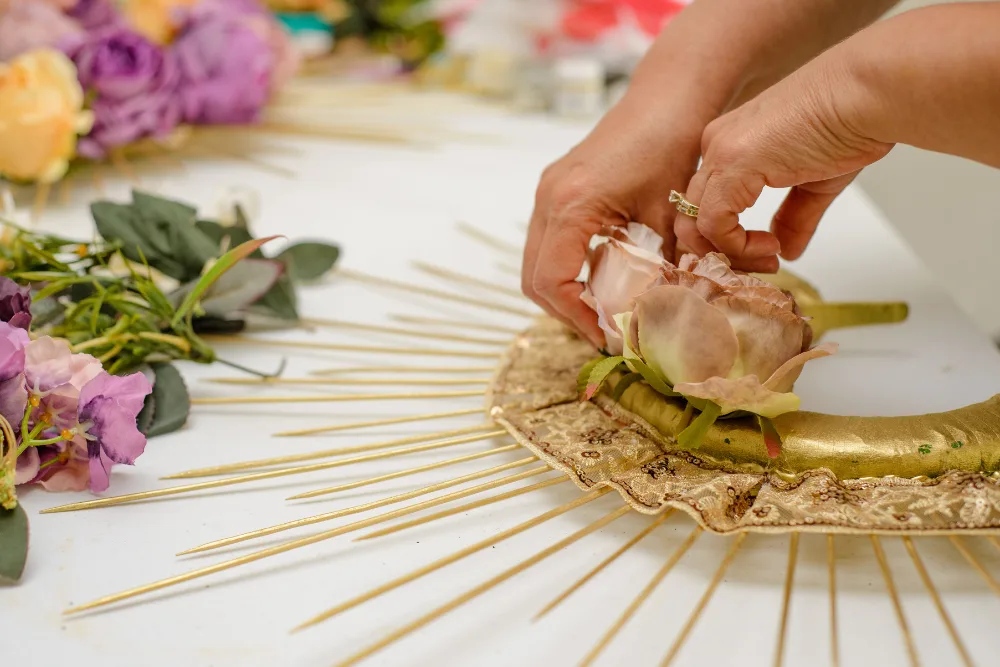
How an All-Inclusive Indoor Venue Simplifies Your Planning
By this point in the planning process, you’ve started to see how many moving parts a wedding includes: timelines, vendors, rentals, logistics, communication, and constant decision-making. This is where choosing an all-inclusive indoor venue becomes one of the most practical advantages a couple can have.
An all-inclusive space consolidates many essential services into one coordinated system. Instead of managing separate teams for catering, bar service, layout, staffing, rentals, or cleanup, a single venue brings these elements together under one roof. This eliminates the pressure of sourcing vendors individually and dramatically reduces the number of decisions you need to make throughout your wedding planning checklist.
But the real benefit is consistency. When the team handling your food is also planning your service flow, and the staff managing your layout is coordinating with your lighting choices, everything works together instead of in separate pieces. There are fewer emails, fewer contracts, fewer invoices, and none of the gaps that often appear when too many external vendors are involved.
It also means changes become simpler.
- Need to adjust your timeline?
- Shift a layout?
- Add another food station or modify your bar setup?
With an all-inclusive venue, these updates happen within one coordinated system rather than with five separate vendors.
This level of built-in structure allows you to focus your time and energy on the parts of planning that truly matter to you: your design, your guest experience, and the emotion behind the celebration while the venue handles the logistics that keep everything running smoothly.
2 Months Before: Finalize Décor and All Visual Elements
At the two-month mark, your focus turns toward shaping the visual identity of your wedding. You’re not redesigning anything, you’re refining and confirming. Florals get finalized in both style and quantity, tabletop elements are approved, signage is locked in, and your lighting approach becomes specifically tailored to your venue’s architecture and mood.
This stage is about cohesion. Every piece should work together to support the atmosphere you imagined early on. By now, your event has a clear aesthetic direction, and this part of your planning checklist for wedding preparation brings your design from concept to fully realized plan.
Once these choices are confirmed, your vendors can begin preparing materials, building arrangements, and planning setups with confidence.
1 Month Before: Confirm, Communicate, and Prepare
Your final month sets the tone for your entire wedding week. This is where clarity becomes your most valuable tool. You’ll submit your final guest count to the venue, finalize your seating chart, and make sure every vendor has the most updated version of your timeline.
It’s also the stage to confirm arrival times, clarify responsibilities, and make any last adjustments based on guest responses. Personal tasks come into play as well: your final fitting, packing your day-of items, organizing décor pieces, and preparing anything sentimental you want included at the reception.
When communication is strong and details are clear at this point, your wedding week becomes smooth, focused, and emotionally present, instead of rushed or chaotic. The purpose of your wedding planning checklist is to arrive at this final month feeling prepared, and this stage brings all of your careful planning together.
Wedding Week: Let Your Team Carry the Day
You’ve done the work. You’ve built the vision. Now it’s time to experience it.
Your venue, your coordinator, and your vendors now carry the plan. Enjoy your rehearsal, rest well, stay present, and trust the team you chose. Indoor venues like Étage excel during this phase because timing, layout, sound, and lighting have already been designed to support flow and comfort.
Your only job is to step into the moment.

Why Étage Is the Ideal Venue for a 12-Month Plan
A polished wedding planning checklist comes to life more easily in a venue built for structure, beauty, and guest experience. Étage offers a refined ballroom, a polished dining experience with coordinated food and bar service, flexible floor plans, and a professional team experienced in guiding couples through every stage of planning.
If you’re ready to imagine your celebration inside Étage, book a tour today and let our team walk you through the possibilities.
Frequently Asked Questions
Can we use this wedding planning checklist if we have less than 12 months?
Yes. The order of steps stays the same even if your timeline is shorter. The key difference is pace. You’d book your venue sooner, secure core vendors quickly, and compress your decision-making window. Indoor venues make accelerated timelines easier because must of them, like Étage, already provide structure, layout, catering, and staff, reducing the number of external vendors you must coordinate.
Should we book our venue or vendors first?
Always the venue. Your date, timeline, layout, vendor arrival windows, and even your décor ideas depend on your venue. Booking vendors before choosing a venue can lead to conflicts that require starting over.
Does planning an indoor wedding change the timeline?
The steps remain similar, but indoor planning is typically smoother because you’re working inside a controlled environment. Lighting, weather, sound, setup areas, and guest comfort are automatically managed by the venue. This allows your wedding planning checklist to focus on creativity and experience rather than backups and weather contingencies.
When should the floor plan be finalized?
Most couples finalize their layout 4–8 weeks before the wedding. This allows time for late RSVPs, décor adjustments, and catering preparation. Finalizing too early can lead to unnecessary revisions; too late creates stress. Your venue coordinator will guide you through the ideal timing.
What’s the easiest way to stay organized with many moving parts?
Centralize everything. Your venue timeline should become the master document. It lists arrival times, key cues, vendor responsibilities, and contact information. When all vendors reference the same plan, communication becomes seamless and your wedding day unfolds naturally.